
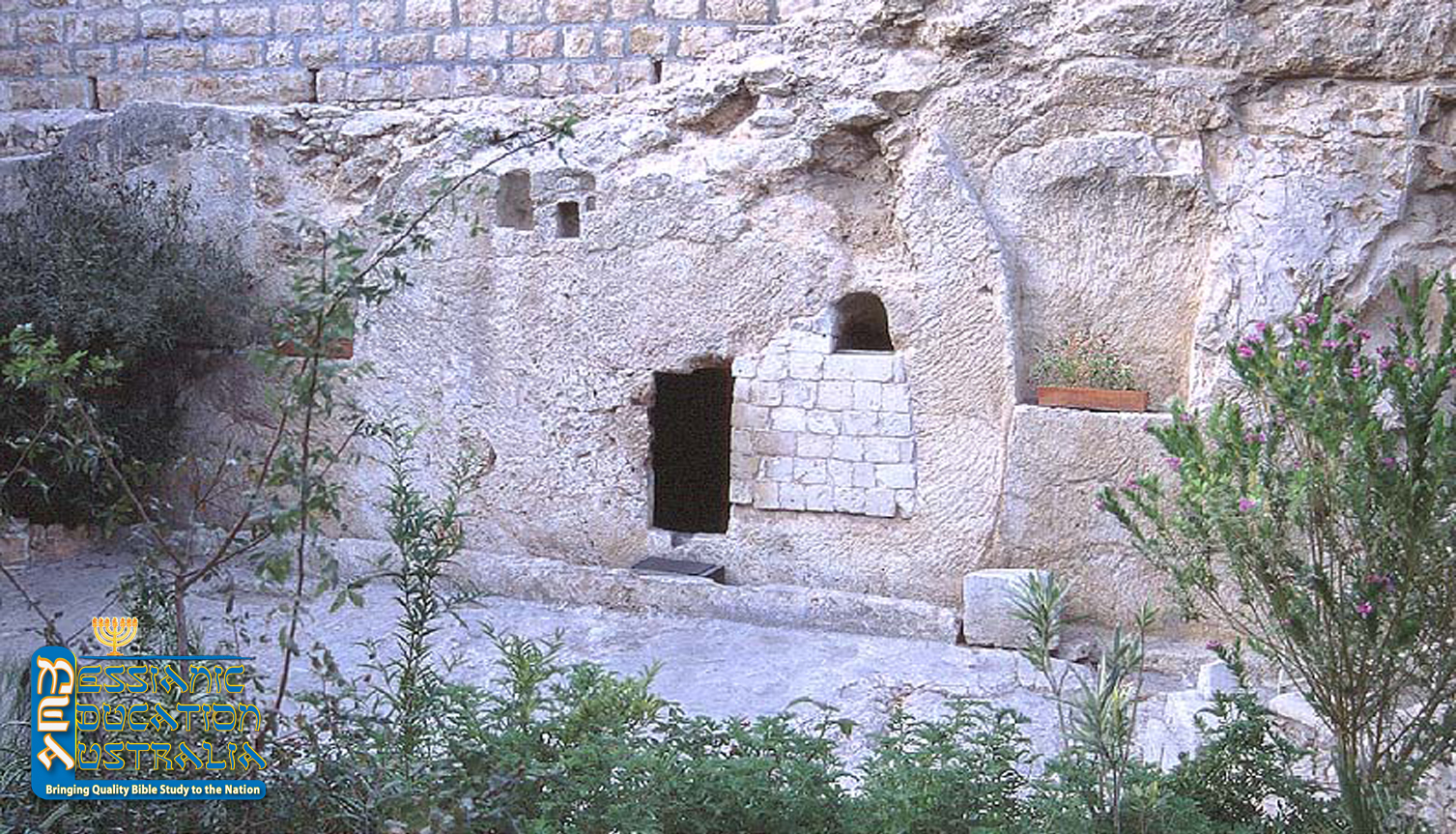
+Israel-©-MEA-20180207-(N36)-Historical-Icons-of-Israel–Great-Synagogue
Historical Icons of Israel – The Great Synagogue
In 1720 Rabbi Judah HeHasid and 1,500 followers spent three years trekking from Poland to Jerusalem, in the conviction that their move would hasten the coming of the Messiah. He immediately purchased the land on which the synagogue would be built but sadly died five days after arriving in Jerusalem. The surviving 300 of his followers began to build the synagogue, using money lent at exorbitant rates of interest by local Muslims, but it was not completed. At the time, it was the only Ashkenazi synagogue in Jerusalem. After two decades the impoverished community was unable to keep up with the mounting payments and the Muslims destroyed the synagogue, demolished the homes of the Ashkenazi community which held the debt, and expelled the Ashkenazi Jews from Jerusalem.
Over the years rulers, rabbis and other visitors came to the synagogue and historical events took place under its roof. This went on until 1948. During Israel’s War of Independence, two weeks after the State of Israel was born and following day after day of bloody battle, Jordanian soldiers of the Arab Legion blew up the entire synagogue. For the second time in its history, the Hurva Synagogue was reduced to rubble. The Jordanians were fully aware of the synagogue’s symbolic importance and its destruction was intended as a demonstration of victory and meant to show that the Jewish presence in the Old City had reached a permanent end. Jewish presence in the Jewish Quarter was interrupted for 19 years.
Following the Six-Day-War of 1967, in which Israel won back Eastern Jerusalem and the city was once again reunited, the Jews returned and rebuilt the Jewish Quarter. It was also decided to rebuild the Hurva Synagogue, while retaining and recreating one of the four arches that had supported the famous dome. This arch became a symbol of Jewish solidarity and presence in the Jewish Quarter and indeed, the Old City in general. The Hebrew word Hurva or Chuvah means ‘destroyed to ruins’, and relates to the previous Ashkenazi synagogue and place of worship.
Three decades later, at the turn of the Century, the Israeli Government rebuild the Hurva in its original style. Completed in 2010, the Hurva Synagogue was officially rededicated in March 2010 and became a centre of community activity. It has an especially beautiful interior, with the world’s tallest Holy Ark, which traditionally houses the precious Torah scrolls. Visitors to the Hurva Synagogue have the opportunity of hearing and reading about its history, and from the veranda surrounding its high dome, can enjoy a breathtaking 360-degree view of Jerusalem.
Copyright exists in all the material on this website and is owned by Messianic Education Australia Ltd. unless otherwise explicitly stated. This copyright extends to the images, logos, layout and presentation styles as well as the text material.